Key takeaways
- The kettlebell swing is knee-friendly by design. Knee pain usually comes from hyperextending the knee at the top of the swing, not from the movement itself.
- Your lower back stays safe when the hips power the swing and the spine stays neutral. Powering it from the lower back is the common mistake.
- The Turkish get-up is the movement most likely to cause a shoulder injury, almost always from adding weight before the bodyweight pattern is solid.
- Starting with an existing injury: go light, add reps before load, and substitute any painful movement rather than pushing through it.
Kettlebell swings and your knees
The kettlebell swing is knee-friendly by design. It's a hip-hinge movement, not a squat, and never requires the deep knee bend that loads the joint. The injury risk isn't the swing itself, it's locking the knees out into hyperextension at the top of the movement.
A properly executed swing keeps a soft bend in the knees throughout, with the power generated by the hips snapping forward, not the legs pushing or the knees locking straight. Hyperextending the knee at the top of the swing, pushing it backward past straight, puts stress directly on the joint and the surrounding ligaments that the movement was never designed to handle. That single habit is behind most of the "kettlebell swings hurt my knees" complaints you'll find online.
Fix: keep a soft knee at lockout, and think about driving your hips forward rather than straightening your legs. If your knees are hyperextending, you'll usually feel it before you see it: a locked, "clicked in" sensation at the top of the swing.
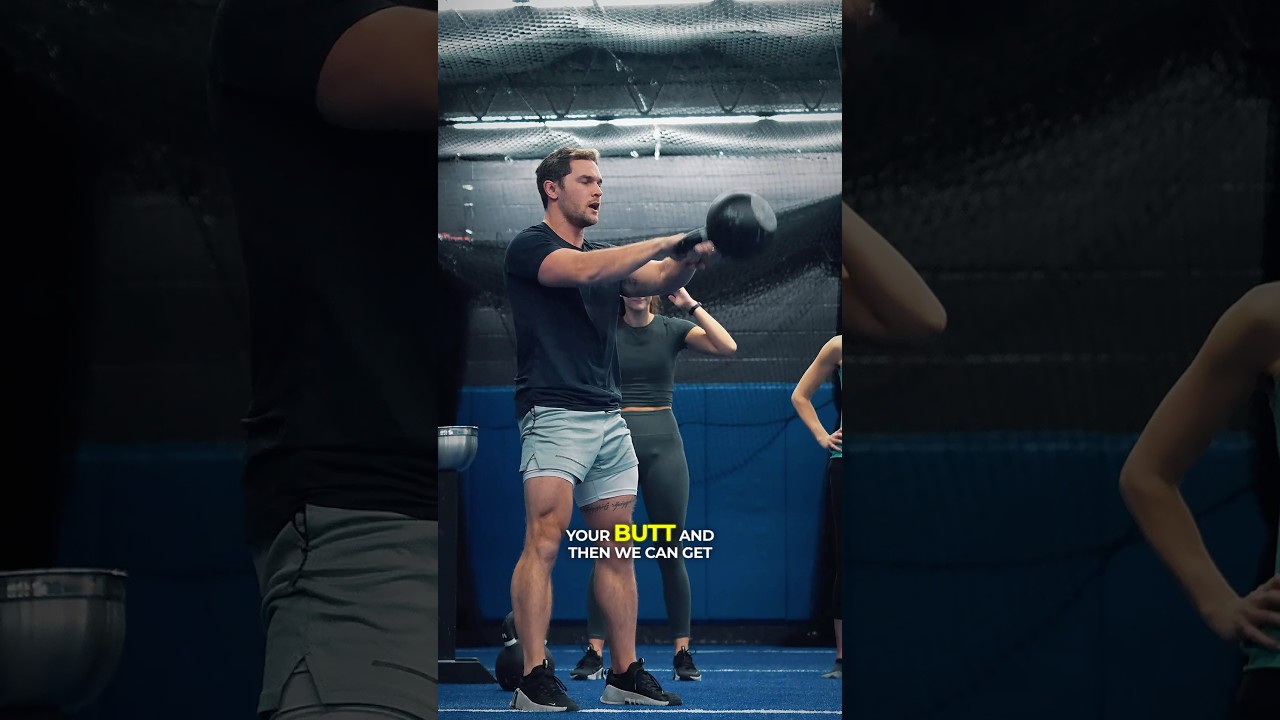
FIX your kettlebell swing in 60 seconds · Pat Damiano, YouTube
The hip hinge and your lower back
Kettlebell swings can build a genuinely resilient lower back, or aggravate one, depending on whether the movement is powered by the hips or by the spine. A neutral spine throughout the swing is the difference between the two.
The most common technique breakdown: rounding the lower back on the way down, then re-extending it (instead of the hips) to generate power on the way up. That turns a hip-dominant movement into a spine-loaded one, repeated for dozens of reps. Done correctly, the hips do the work. The spine stays in one position, neutral, from the first rep to the last.
Cue that tends to fix this fastest: think about pushing your hips back toward a wall behind you, not bending forward at the waist. If you can feel your hamstrings and glutes loading on the way down, you're hinging. If you feel it in your lower back, you're bending.

How To Properly Hinge So You Don't Hurt Your Back · Pat Damiano, YouTube
Turkish get-ups and your shoulders
The Turkish get-up is the one kettlebell movement most likely to cause a real shoulder injury, not because it's inherently unsafe, but because it loads the shoulder overhead through several changes of body position, and most injuries happen when someone adds weight before the bodyweight pattern is solid.
It's a genuinely valuable movement for shoulder stability and mobility when it's earned progressively: bodyweight first, then a light weight, only adding load once every position in the sequence is controlled, not rushed. The injuries show up when people skip that progression because the movement "looks simple" on video.
If you have an existing shoulder issue, this is the one movement in kettlebell training worth being most conservative with, or substituting out entirely until you've talked to whoever's treating you.
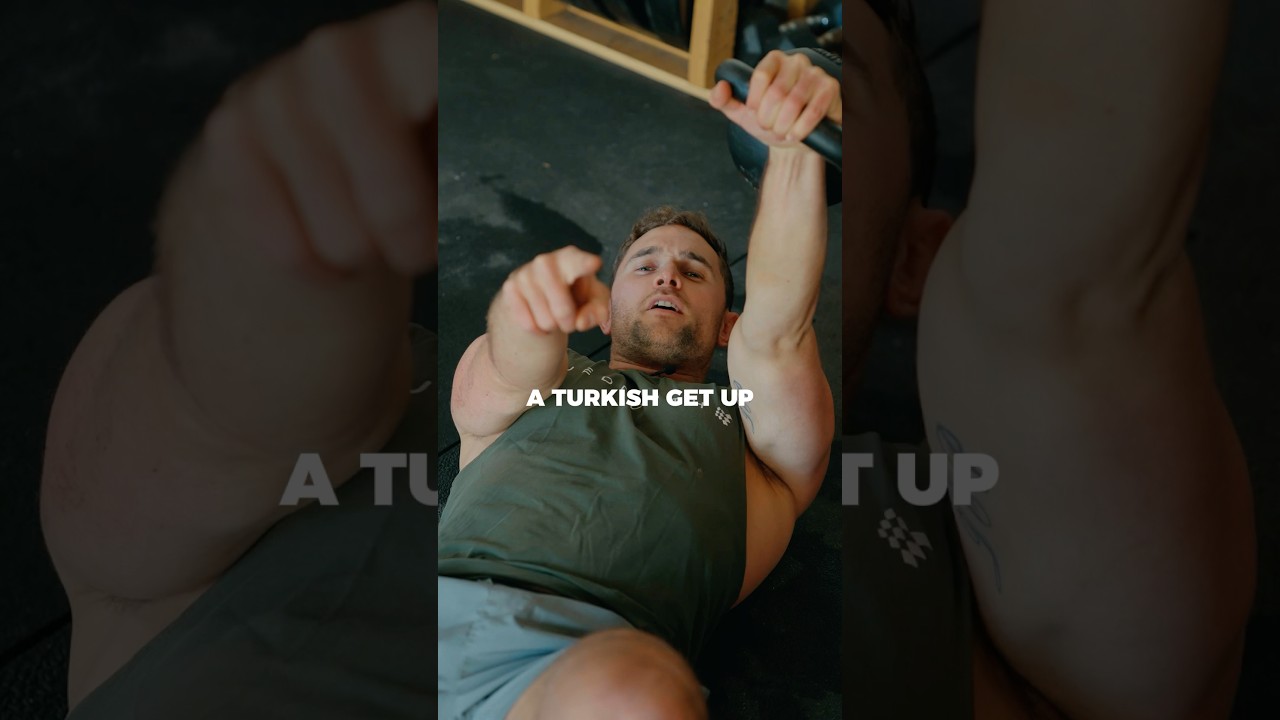
Master The Art of This Functional Kettlebell Exercise: The Turkish Getup · Pat Damiano, YouTube
Starting kettlebell training with an existing injury
Start light, prioritize reps and technique over weight, and swap out any movement that causes pain for a pain-free variation that trains the same pattern. And if you're recovering from a recent injury, check with a doctor before you start.
- Weight last, not first. Add reps or duration before you add load. A kettlebell that's too heavy to control is where most technique breakdowns, and most injuries, start.
- Pain is information, not something to push through. If a specific movement hurts, that's a signal to find a variation that trains the same muscles without the same joint position, not a signal to grit your teeth.
- Consistency beats intensity when you're managing an old injury. This is the entire premise behind how Project BellPlex is structured: programmed progression instead of guessing.
Get my 20 free kettlebell complexes
Built around exactly this: joint-friendly movements, structured so you're not guessing.
Send Them To Me Or start your 7-day free trial in Project BellPlex